

The thunder of hooves eventually fades for every athlete. But for a thoroughbred, crossing that final finish line isn’t an ending. It’s actually the start of a completely new chapter. While fans usually only see these horses during their peak years on the track, thousands of them move into new lives every single year.
Retirement for a racehorse can look like many different things. Some find a second career as show jumpers or even therapy animals. Others simply enjoy a quiet life in a sunny pasture. Moving a high-energy athlete from the intense world of horse racing to a slower pace takes a lot of patience.
Let’s look at why racehorses retire and how they find their footing once the spotlight turns off:
Why Do Racehorses Retire?
Racehorses retire for many reasons, and it’s not always because they’re old. Some horses leave the track because they’re not as fast as they used to be. Racing is an intense sport. A tiny dip in speed could mean the horse isn’t competitive anymore.
Physical health is another factor. A horse might pick up a small injury during a morning workout or a weekend race. It might heal up fine with some stall rest. But asking it to hit top speed again can be too risky. It’s better to retire the horse early instead of pushing its luck in such cases.
It’s also important to know the top injuries in racehorses. This way, they can spot early warning signs and take the necessary action. You’ll know the difference between a short setback and a career-ending problem.
There are times when retirement is planned too. Some owners want to protect their horses before serious injuries appear. Many of these horses later enter a racehorse-retirement programme that helps guide them toward new homes or second careers.
Tips for Racehorse Retirement
Planning will determine how smoothly the retirement goes. Here are a few pointers to help you get started:
Give the Horse Time to Slow Down
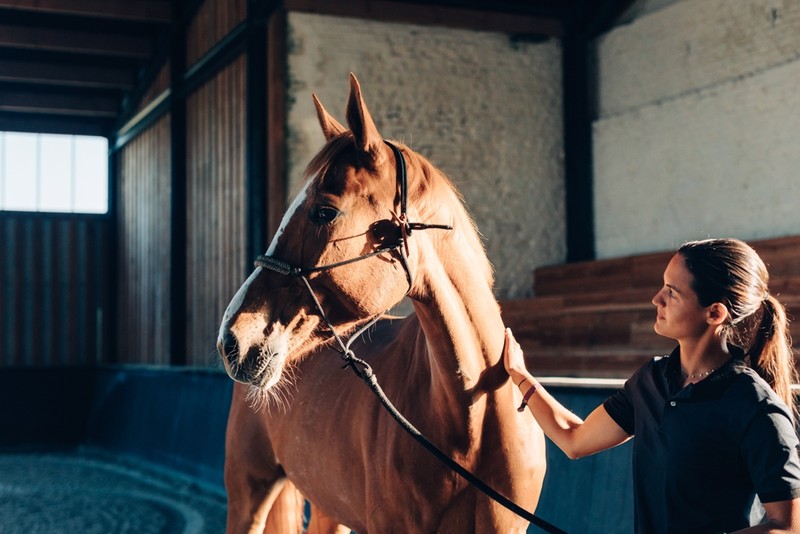
A retired racehorse needs one thing above all else: time to just relax. These animals are used to a very tight routine. Their whole lives have been about training, grooming, and the pressure of race day. When that life stops, it’s a lot to take in. They just need a chance to decompress.
Some thoroughbreds spend these first months on quiet farms. Others might go to a retirement sanctuary where they have enough space. These places provide the right supervision while the horse figures out how to be a regular horse again. This transition is a big deal. It makes sure they’re actually ready for whatever job comes next.
Schedule a Full Veterinary Check
You have to get a full veterinary exam before you start a new training programme. It’s the only way to know how the horse held up during its time on the track. These exams usually look at:
- Joints and tendons: Most vets check for old wear and tear or any lingering inflammation
- Hooves: Racehorses are shod differently. So, you’ll need to see if they can transition to a more natural shape
- Heart and lungs: This exam is necessary to make sure the body is actually ready for a second career
- Teeth and diet: Years of high-grain racing diets can sometimes lead to ulcers or dental issues that need fixing
Even a tiny issue can change everything when it comes to picking a new job. A horse with some mild stiffness might be a perfect trail partner, but would probably struggle with something intense like jumping.
Racehorse owners usually lean on these checkups before making any big calls. A horse can look perfectly fine on the outside and still need time to heal. Racehorse retraining is just way more successful when you actually know those limits from the start.
Choose the Right Second Career
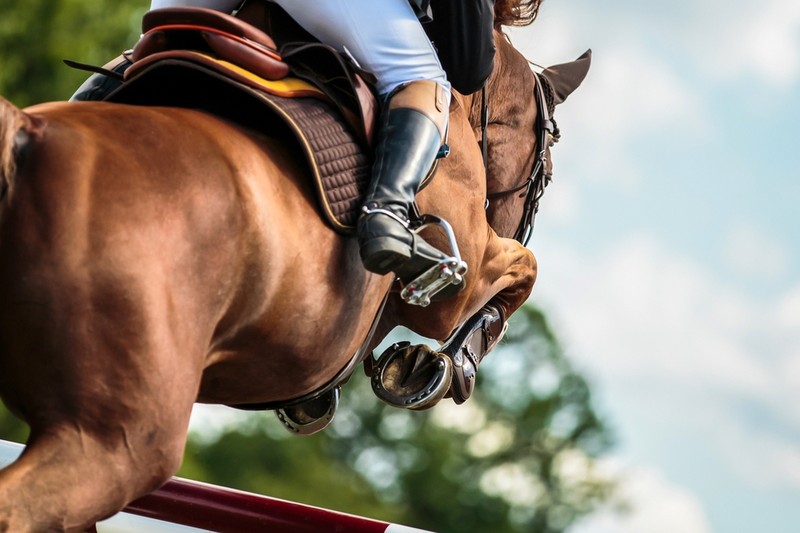
Every retired racehorse is different. You’ll find some that stay high-energy and still crave athletic work. Others want a much slower pace of life. It all comes down to matching the horse to the right job.
Many former racers usually succeed in jumping or eventing. That natural athleticism helps them clear obstacles and handle fast courses without much trouble. You even see some move into the polo world, where those quick turns and bursts of speed come in handy.
Other horses make great trail mounts or lesson horses for kids. Their racing days are over, but they still enjoy being around people and getting some regular exercise. Many rescue programmes will test a horse in a few different settings first. It’s the best way to figure out what kind of work suits them best.
Start Retraining Slowly
Racehorses are all about speed. They’ll have to learn to listen to slower cues and move in steady, controlled patterns. It’s a big shift for any horse.
Most trainers start on the ground. This means leading the horse, practising a calm walk, and just teaching them to stand still. These early lessons help a horse move away from racing habits and into a more relaxed routine. You build trust before anyone ever gets in the saddle.
Once they’re calm, light riding sessions can start. The focus stays on balance instead of on how fast they can go. Specialist programmes use riders who know exactly how a former racing horse reacts to new things. Progress isn’t always a straight line, either. Some adapt in months, while others need more time.
Conclusion
Life after racing can take many different forms. Some horses find new careers in jumping, polo, or trail riding. Others enjoy quiet pastures or become lesson horses for beginners. But whatever path a retired racehorse takes, they gave everything they had on the track, and they deserve the same in return. With the right people in their corner, these horses can thrive in it.