
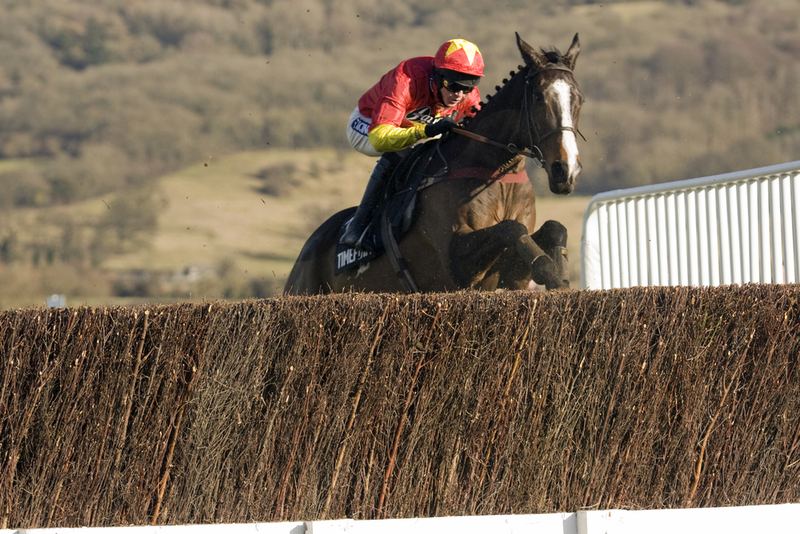
The Flat season has wrapped up, the Breeders’ Cup and Melbourne Cup are in the books, and British racing has moved firmly on to fences. For many fans, the next four months are all about one thing: getting ready for Cheltenham in March.
Part of that preparation is deciding how you want to follow the action. Plenty of racing fans compare uk betting sites for pricing, markets and race coverage before the big meetings arrive, in the same way they would study a racecard. It’s worth doing that homework early, ahead of the festival rush, rather than on the morning of the Gold Cup.
The Big Dates to Put in the Diary
The 2027 Cheltenham Festival runs from Tuesday 16 to Friday 19 March, with the Jockey Club confirming the four-day schedule. Gold Cup Day closes the meeting on the Friday, with the Boodles Cheltenham Gold Cup due off at 4pm.
The Festival packs 28 races into four days, and the winter schedule leading up to it is where much of the story gets written. The Paddy Power Gold Cup at Cheltenham has just done its part. Meetmebythesea won the 2026 renewal, giving owner J.P. McManus a first success in the race, in a field of only ten runners, the smallest since 2003. Newbury’s Coral Gold Cup meeting follows at the end of the month, and the King George VI Chase at Kempton on Boxing Day is the next landmark for staying chasers.
Why Early-Season Form Matters

Winter racing is a long build-up, and the horses that line up in March have often been showing their hand since the autumn. A few things are worth tracking:
- Trainer form. The big yards are targeting the Festival from the start. Irish stables have dominated recently, and in 2026 Ireland retained the Prestbury Cup, with 15 winners from Irish trainers to 13 from the UK. Willie Mullins also won a fifth Gold Cup, matching the record of Arkle’s trainer, Tom Dreaper
- Ground conditions. Heavy ground in December can change a horse’s season. A runner’s record on soft or heavy going is one of the most useful numbers on a racecard
- Distance and course. Cheltenham’s undulating track and uphill finish suit some horses and expose others. Look for horses that have already proven they stay the trip and handle the hill
- Entries and schedule. Trainers often change plans in the weeks before a big race. Keeping an eye on entries and declarations is the best way to see who is really heading for the Festival
If You’re New to Jump Racing
The racecards can feel like a foreign language at first. Terms such as chase, hurdle, bumper and novice describe different types of race, and knowing the difference makes a big difference to how you read a meeting. A good starting point is World of Horses’ own beginner’s guide to the races at Cheltenham, which explains the main race types in plain English.
Once you have the basics, the next step is following a few key horses through the winter. Pick two or three you like, watch how they run in their prep races, and by March you will feel like you know the form better than most.
Making the Most of the Build-Up

You don’t need to bet to enjoy the road to Cheltenham. Plenty of fans just follow the stories, from comeback horses and ambitious young trainers to the veterans chasing one more big day. For those who do like a flutter, the best approach is to keep it small, set a budget before the meeting starts and treat it as part of the entertainment rather than a way to make money.
The same applies to choosing where you follow the racing. Check that any operator is licensed by the UK Gambling Commission, compare the markets and tools they offer, and use any deposit limits and reality checks available.
Gambling is for over-18s only. If you’re worried about your own or someone else’s gambling, BeGambleAware offers free, confidential support.
With around four months to go, there is plenty of time for the picture to change. Between now and March, the form book will be doing a lot of the work.