
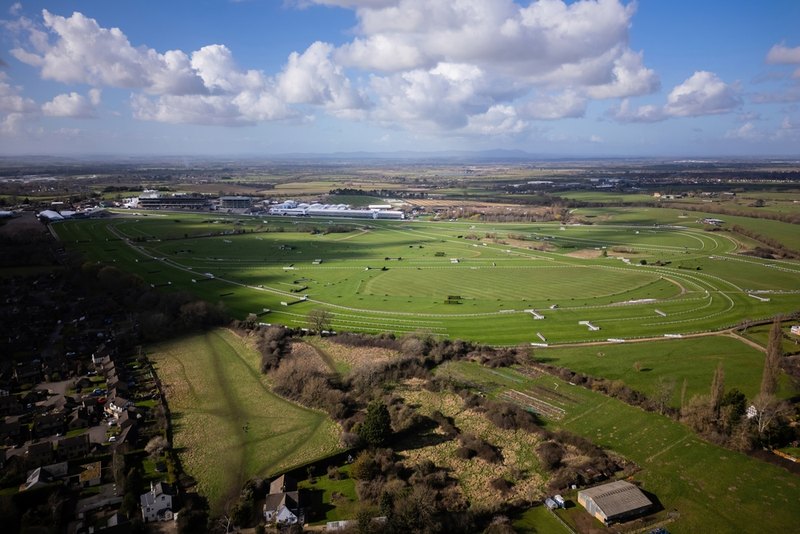
Every March, the Cheltenham Festival packs 28 races into four days, and its racecards can read like a foreign language to newcomers. Terms such as novice and bumper sit alongside almost every race, and anyone looking at horse racing odds will meet them straight away. Once the three basic race types make sense, the rest of the card falls into place.
Hurdles: The Smaller Obstacles
Hurdle races are run over at least two miles with a minimum of eight hurdles, according to the Jockey Club. The hurdles stand at least three and a half feet high and are built from flexible panels of brush, so they are lower and more forgiving than fences.
That makes hurdling the usual starting point for a young jumper, and speed counts for more than in a chase. Races over longer trips are known as stayers’ hurdles.
The Festival’s two hurdle championships show the range. The Champion Hurdle on the Tuesday is run over just over two miles, while the Stayers’ Hurdle on the Thursday is a three-mile test.
Chases: Bigger Fences, Bigger Tests
Steeplechases, usually shortened to chases, are run over fences at least four and a half feet high on the take-off side, under British Horseracing Authority (BHA) rules. They are built from birch, sometimes with spruce packed around the base, and are far stiffer than hurdles.
Chases are run over distances from two miles up to four and a half miles. As well as plain fences, a course can include open ditches, which have a ditch on the approach side, and water jumps.
Most horses move up to chasing after a spell over hurdles. The Queen Mother Champion Chase on the Wednesday is the Festival’s two-mile championship, and the Gold Cup on the Friday is run over about three and a quarter miles.
Bumpers: No Jumping At All
A bumper is a Flat race run under Jump racing rules, officially called a National Hunt flat race. It is designed for horses that have not run on the Flat, giving future jumpers race experience before they tackle obstacles. Runners start from tapes rather than stalls.
The name has several explanations. The one the Jockey Club gives is that only amateur and conditional riders could take part at first, and inexperienced horses and jockeys ended up bumping into each other.
The Champion Bumper, a Grade 1 for horses aged four to six over just over two miles, is the only race at the Festival without a single obstacle.
What Novice and Handicap Mean
Race titles add another layer. A novice hurdle is for horses that had not won a hurdle race before the start of the current season, and novice chases work the same way over fences. That keeps less experienced horses apart from proven performers.
Juvenile hurdles are for four-year-olds in their first season over hurdles. The Triumph Hurdle on the Friday is the Festival’s championship for that age group.
In a handicap, each horse carries a weight based on the official rating given to it by the BHA handicapper, aiming to give every runner an equal chance. Each rating point is worth one pound, so a horse rated 10 points higher carries 10lb more.
Hunter Chases and the Cross-Country
Two Festival races fall outside the usual pattern. The Foxhunter Chase on the Friday is for amateur riders and is run over the same course and distance as the Gold Cup. It was in this race in 1983 that Caroline Beasley became the first female jockey to ride a Festival winner, on Eliogarty.
The Cross Country Chase on the Wednesday is run over three miles and six furlongs on a separate course inside the main track. Instead of standard fences, runners tackle banks and ditches, an obstacle mix that borrows from Irish banks racing and eventing.