
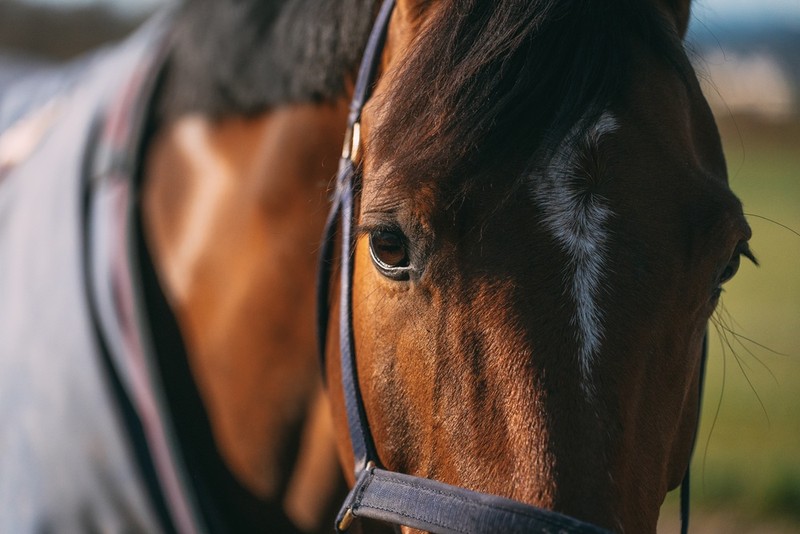
As the clocks are due to go back in October, awareness of a horse’s changing needs for the new season will become all that more apparent. Summer was all about fly sprays, hoof cracks and sweet itch prevention, while winter brings skin conditions relating to mud and water exposure.
While schools of thought differ, probably the best way to deal with excess mud on the legs, is to let it dry and then brush it off with an appropriate brush. Use of antimicrobials to nip in the bud such things as mud fever and cellulitis will help to avert too many visits from the horse vet, dispensing antibiotics.
Skin Care
A good way to prevent a horse’s skin from being affected by the rain is to use barrier cream and oils. Rain scald is a bacterial infection that can arise from a horse being exposed to excessive moisture. Horse rugs can assist with protection in inclement conditions, particularly if the horse has been clipped, which is the process of using electrical clippers to trim its coat. This was done to remove much of the horse’s winter coat, which helped regulate temperature and sweating. For rain scald check round the horse’s neck and back, but it may also appear under the rug if rubbing has occurred.
Although insurance regularly covers death, straying and theft, you can with an increased premium opt for a policy that takes into account vets’ fees. This will help in such cases as blackthorn injuries, which occur in winter, and penetrate soft tissues and lead to infection.
Colic
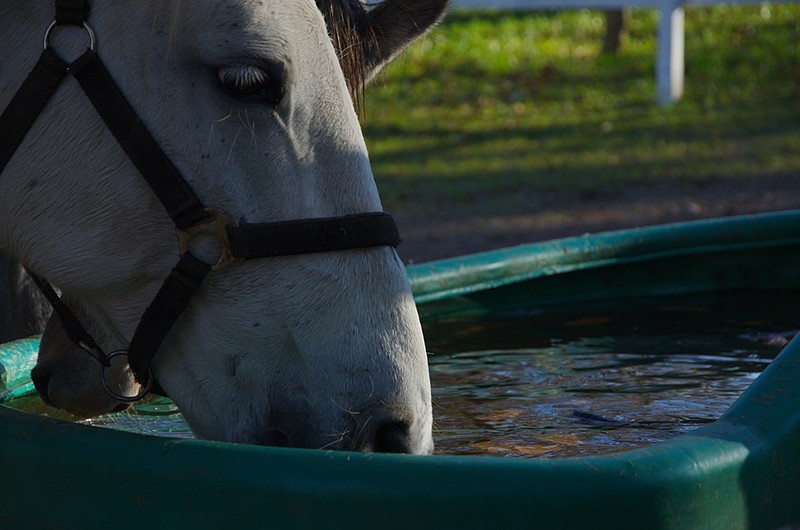
In winter impaction colic is an unwanted complication brought about by a number of conditions such as a change in diet, increased stabling, less movement and reduced water intake. Maintaining hydration takes many forms including adding warm water to horse’s troughs in colder climates. This will encourage them to drink, as does removing ice, while adding water to horse’s hard feed in winter may motivate them and improve hydration.
Colic is more common in stabled horses and discouraging them from eating their bed is a good idea. Check for dry or reduced droppings, a common indicator in horses with impaction colic. Also, regular worm control is helpful, with worm egg counts being part of a good preventative health regime.
Some conditions regarding a horse’s respiratory system must be monitored, particularly in stabled horses. Stable coughs and equine asthma are common in dusty environments, so remove as much of this as possible, especially in bedding. Good ventilation and good quality hay also help.
Toxic Seeds and Plants
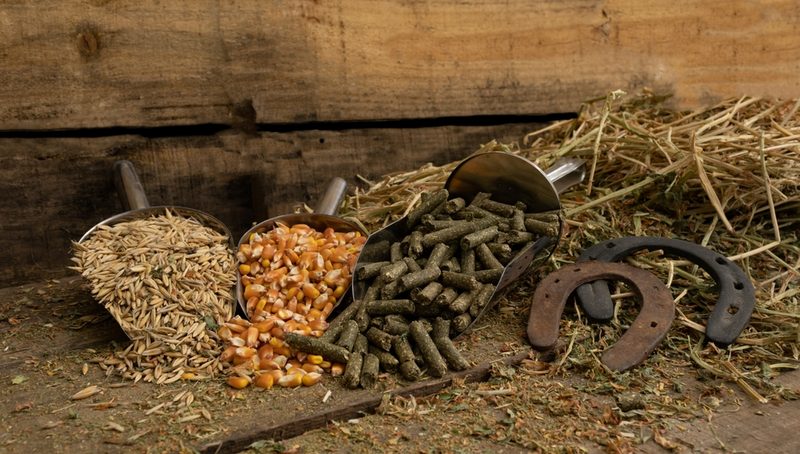
Watch out for the fatal illness, Atypical Myopathy, which is caused by ingesting hypoglycin A. This arises from affected sycamore seeds and saplings. Awkward is the fact that infected seeds differ from tree to tree, but ensure your horse is availed of plentiful supplies of supplementary forage and this will reduce the animal’s need for seeds or saplings.
Also worth watching out for are acorns, which are in abundance at this time of year, so try and clear areas of profusion and even fence off certain areas around oak trees.
In an emergency call your vet, as the welfare of your horse is paramount and information is being gathered all the time, supplementing the capacity for the vet to solve the problem that may have materialised.