
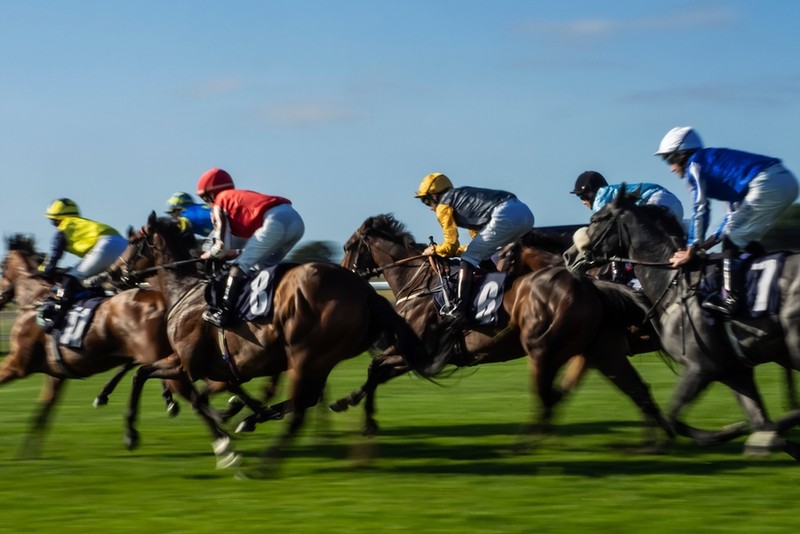
Royal Ascot is not just a sporting event, it is a true cultural phenomenon in Great Britain, attracting thousands of visitors from around the world every year. This unique festival combines high-class equestrian sports, rich traditions and a unique atmosphere of elegance and luxury. For many people, Royal Ascot is a symbol of British aristocracy, fashion and prestige, and for equestrian enthusiasts, it is an opportunity to enjoy exciting competitions of the highest level. Each year, the event lasts for five days in June, offering spectators a variety of competitions, unique ceremonies and an unrivalled atmosphere of tradition.
Every year, Royal Ascot brings everyone together: from professional jockeys and trainers to ordinary spectators and fashion enthusiasts. The event is known not only for its sporting achievements, but also for its strict etiquette policy, special dress code and high level of organisation. Visitors have the opportunity to witness the speed and technique of the world’s best racehorses, as well as immerse themselves in the world of exquisite hats, evening gowns and classic suits.
In addition to the sporting aspect, Royal Ascot plays an important role in the cultural life of the country. The event is actively covered by the media, which makes it even more recognisable internationally. The venue, Ascot Racecourse, known for its historic buildings, perfectly combines classic architecture with modern amenities for spectators. It is this balance between history and modernity that creates the unique atmosphere of the festival, which cannot be found anywhere else in the world. In addition to the traditional excitement of the races, many guests are interested in modern forms of entertainment, including online games, where you can use the NV casino code.
The History of Royal Ascot
Royal Ascot dates back to 1711, when Queen Anne launched the first competition on the site of the modern Ascot Racecourse. Since then, the event has become an integral part of the British social calendar, gaining popularity among monarchs, aristocrats and the general public. Over the centuries, the festival has transformed while retaining key traditions, including the presence of the royal family at the opening of the races.
The early years of Royal Ascot were associated with charity and support for rural farms. Today, it is a celebration of sport, fashion and entertainment all at once. The unique history of the event underscores its significance as a cultural phenomenon that brings together people of different social statuses and professions. Thanks to centuries-old traditions, Royal Ascot has gained a reputation as a prestigious platform for demonstrating elegance and skill in equestrian sports.
Royal Traditions
- The presence of members of the royal family every year
- The opening of the first day with a parade and flag-raising ceremony
- A strict dress code for all visitors, especially in the Royal Enclosure
- The presentation of awards and honours by the monarch
These elements emphasise the uniqueness of Royal Ascot and create an atmosphere of solemnity that is difficult to find in other sporting events.
Dress Code and Etiquette
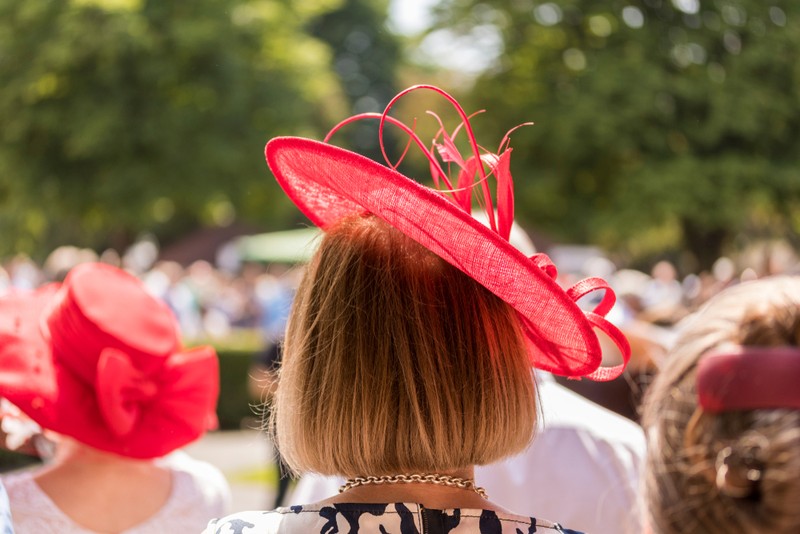
Royal Ascot is known not only for its races, but also for its unique approach to fashion. The dress code plays a key role here, especially in the Royal Enclosure, a closed area that requires the highest standards of etiquette. Men are expected to wear tuxedos or suits with ties, while women are expected to wear elegant dresses below the knee and hats or fascinators.
Preparation for the event begins several months in advance, as the choice of dress, accessories and hairstyle is important for creating the complete look. Visitors to Royal Ascot often seek to emphasise their individuality by choosing bright colours and original details. Wide-brimmed hats with decorative elements are particularly popular and have become a symbol of the festival.
Basic Rules of Etiquette
- You cannot enter the Royal Enclosure without an invitation
- Strictly adhere to the dress code
- Respect other visitors and staff
- Follow the rules of conduct during the races
Adherence to these rules helps to preserve the atmosphere of elegance and cultural heritage of Royal Ascot.
Horse Racing: Format and Features
Royal Ascot includes more than 30 races of varying degrees of difficulty, among which the main events are dedicated to the highest class of racehorses. Among the most prestigious are the Gold Cup, Prince Of Wales’s Stakes and the Queen Elizabeth II Jubilee Stakes, which bring together the world leaders in equestrian sports every year. Each race has its own rules and requirements for participants, as well as determining the distribution of prize funds.
Participants in Royal Ascot undergo a rigorous selection process, which guarantees a high level of competition and an exciting pace of racing. Each horse is accompanied by a trainer and jockey, whose skill and strategy determine the outcome of the race. The high level of competition makes Royal Ascot an event that no equestrian fan should miss.
Features of the Races
- Short sprints and long distances
- Different age and weight categories for horses
- Use of modern technology to track results
- Special awards for achievements in each category
These factors ensure that the events are dynamic and unpredictable, making them even more exciting to watch.
Legends of Racing
Hollie Doyle
Hollie Doyle is known for her unrivalled technical skills and strategy in races of all distances. She has won numerous titles in the UK and Internationally, setting records for the number of victories on prestigious tracks. Her style is characterised by precision, quick reactions and the ability to anticipate the horse’s behaviour even in stressful situations.
Frankie Dettori
Frankie Dettori is one of the most famous figures in world equestrian sport. The Italian jockey is famous for his numerous victories at Royal Ascot, his Classic wins and his records in prestigious international races. Dettori is known for his charisma, unique approach to training horses and ability to turn any race into a show for spectators.
Ryan Moore
Ryan Moore is one of the most consistent jockeys of our time, regularly performing well on European tracks. He specialises in middle and long distances, is known for his analytical approach and ability to control the pace of the race. His achievements include victories at Ascot, Epsom Derby and other prestigious tournaments around the world.
Famous Racing Records
- Frank Dettori has won thousands races in his career
- Hollie Doyle set a record for the number of wins among female jockeys in Great Britain
- Ryan Moore has a consistent winning streak in classic British competitions
- Jockey racing at Royal Ascot often becomes a platform for setting new records in various categories
These achievements highlight the level of skill required to succeed in equestrian sports and demonstrate the importance of experience and intuition for each participant.
Every Day at Royal Ascot: Program and Unique Moments
Day One: Opening and Parade
The first day of Royal Ascot begins with a grand parade and flag-raising ceremony. The presence of the King or his representative adds special significance to the event. This day usually includes lighter races and sprints for young horses, allowing spectators to get acquainted with the participants of the upcoming main races.
- Official opening and flag raising
- Sprints for two-year-old horses
- First awards and presentation ceremonies
- Presentation of new fashion trends in hats
The first day creates a festive mood, setting the tone for the entire festival.
Day Two: Prestigious Middle-Distance Races
The second day is dedicated to middle-distance races, where horses demonstrate their endurance and speed. The Prince Of Wales’s Stakes, considered one of the most prestigious races at Royal Ascot, attracts particular attention. On this day, you can often see world champions and new stars of racing.
- Races of 1600 – 2000 metres
- Awards for trainers and jockeys
- Fashion shows and official lunches
- Photo zones and meetings with famous participants
The second day highlights not only the sporting but also the social aspects of Royal Ascot, creating a multidimensional experience for visitors.
Day Three: Gold Cup
The third day is considered the most important of the Royal Ascot week. The Gold Cup is the main race, bringing together the world’s best horses over a long distance, testing their endurance and strategic skills. Victory in the Gold Cup is considered the highest achievement for the owner, trainer and jockey.
- The main Gold Cup race over 4,000 metres
- Presentation of honours by the King
- Elite presence in the Royal Enclosure
- Special broadcasts and media coverage
The Gold Cup symbolises the culmination of the sporting part of the festival, showcasing the maximum effort and speed of the participants.
Day Four: Sprint Races
The fourth day is dedicated to fast sprints over short distances. This day is considered the most dynamic, as the horses demonstrate extraordinary speed and precision. Among the most famous is the King’s Commonwealth Cup, which honour the best three-year-old sprinters.
- Sprint races over distances of up to 1000 metres
- Presentation of special prizes to sprinters
- Demonstrations of training techniques for horses
- Public meetings with jockeys and owners
This race format allows spectators to experience real excitement and thrill as they watch the horses’ lightning speed.
Day Five: Closing and Ceremonies
The fifth day concludes the Royal Ascot week with solemn ceremonies and final races. Here, the best participants of the week are honoured and the results of the event are summarised. The final day usually combines sporting excitement with social events and shows.
- Final races and awarding of winners
- Closing ceremonies with royal attendance
- Evening gala meetings and private parties
- Closing photo shoots and media interviews
The end of the festival creates a sense of completion and celebration, leaving unforgettable memories for all participants.
Tourism and Social Aspect
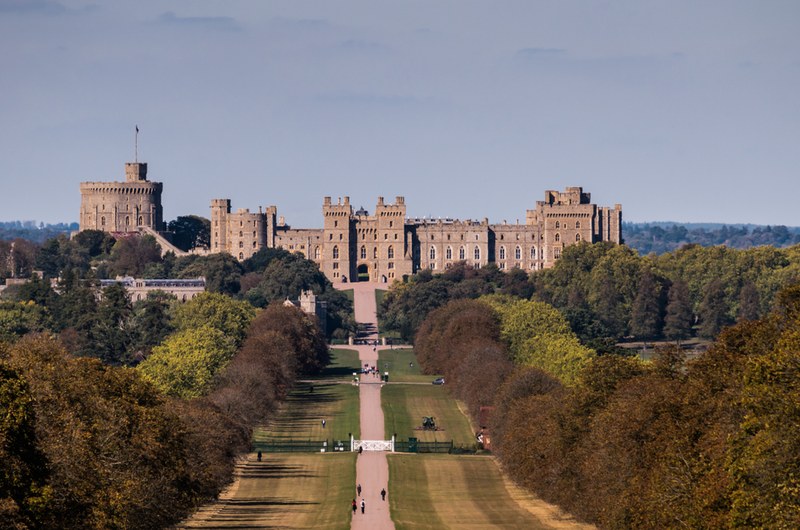
Royal Ascot is not only a race, but also a great cultural experience for tourists. Every year, visitors from all over the world come to Ascot to see the prestigious races, enjoy the traditional British atmosphere and discover the regional characteristics. Tourists have the opportunity to visit nearby attractions, restaurants and hotels with a high level of service.
Popular Tourist Activities
- Visit the Ascot Racecourse Museum
- Walking through historic avenues and parks
- Dining at premium restaurants near the track
- Participating in cultural and charitable events
These activities make Royal Ascot attractive not only as a sporting event, but also as a comprehensive cultural and social festival.
Conclusion
The Royal Ascot horse races remain a symbol of British elegance, prestige and centuries-old traditions. This event combines world-class sporting achievements with a unique atmosphere of fashion, social events and cultural values. Each day of the festival offers visitors new experiences: from exciting races and dazzling hats to solemn ceremonies and meetings with members of the royal family.
Royal Ascot is not just a competition for jockeys and horses, it is a cultural phenomenon that brings together people from different social groups and nationalities. The high level of organisation, strict dress code and unique elegance of the event make it iconic not only for Great Britain but for the whole world. The festival continues to inspire, shape fashion trends and provide unforgettable emotions for all participants and spectators, leaving behind vivid memories and a desire to return year after year.