
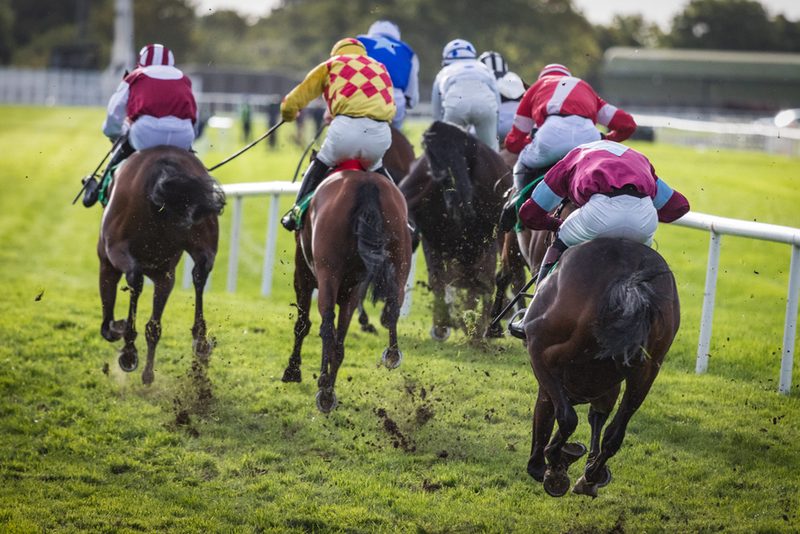
Horse racing in the UK keeps fans entertained all year round. Traditionally, the summer belongs to the flat stars, with National Hunt racing taking over in the winter months. Thanks to the rise of all-weather flat racing and summer jumping, racing now continues under both codes through spring, summer, autumn, and winter.
As anyone living in the UK will be only too aware, rain is rarely too far away, whatever the season. In the sport of horse racing, the heavens opening inevitably leads to soft or heavy ground. From the Royal Ascot Festival to the Aintree Grand National Meeting, few fixtures have escaped bottomless conditions over the years.
Does Soft Ground Make Any Difference?
Those unfamiliar with the sport may question whether it makes any difference if the ground is good to firm, or heavy. Surely the fastest horse on good ground should still be the fastest on soft ground? However, anyone with even a passing interest in racing will be aware that the ground conditions are one of the most crucial pieces of the racing puzzle – particularly when the official going is described as soft or heavy.
Some horses like nothing better than ploughing through the mud. Others simply don’t handle it all. A horse may look like a world-beater on quick ground but ask it to repeat the effort on soft going and it may all fall apart.
If we accept that some runners cope with soft or heavy ground and others don’t, the next question is how to tell the difference. Thankfully, there are a few things to look for when attempting to identify a mudlark.
Reach for the Formbook

The most obvious place to start is with the previous racecourse performances of the runners. A horse may have a string of wins to its name, but if they all came on good to firm going, they may have limited relevance in a soft- or heavy-ground event.
When assessing any soft-ground race, place extra weight on how well a horse has performed under similar conditions in the past. To take an example from the National Hunt sphere, let’s take a look at the first 21 British runs of the Venetia Williams star Royal Pagaille.
Royal Pagaille’s form figures on good to soft ground read 62255F56P. On soft ground, they were 1126F11P, and on heavy ground, 2311. Royal Pagaille never won on ground any quicker than soft. On soft or heavy ground, his win percentage stood at 50%, while he finished in the top two 66.67% of the time. Placing a £1 level-stakes bet on Royal Pagaille on good to soft ground produced a loss of £9. On soft or heavy ground, he returned a profit of £21.95 to £1 level stakes. Of course, it isn’t always quite so simple in betting terms!
Royal Pagaille is a fine illustration of a soft-ground lover, but there are many others. Master Oats advertised his love for soft ground when claiming the Cheltenham Gold Cup by a resounding 15 lengths. Red Marauder provided another famous example, when carrying a mud-spattered Richard Guest to a 30-length win in the 2001 Grand National.
Taking the time to filter a horse’s form by ground conditions, rather than simply scanning the bare figures, can paint a clearer picture of which runners are likely to fare best on the prevailing going.
Favour Proven Stamina When the Going Gets Tough
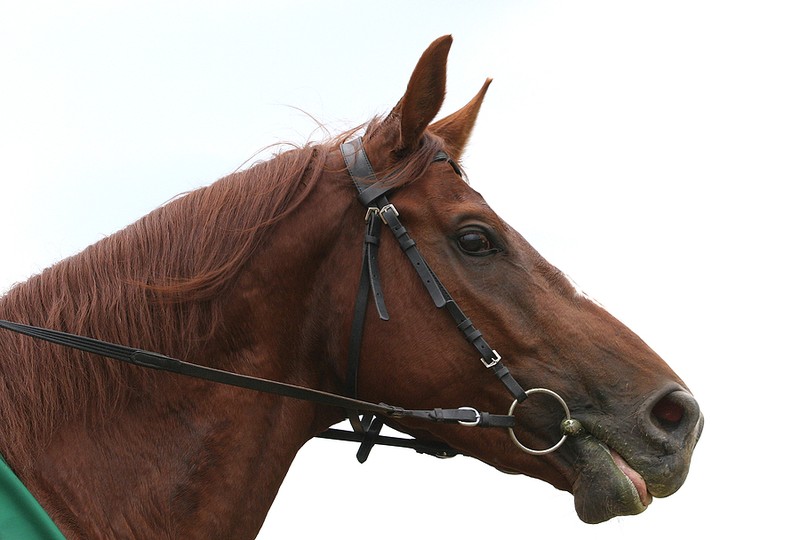
One of the main areas in which runners are found wanting on soft or heavy ground is in the stamina department. Running a mile on a quick surface is considerably less demanding, physically, than running a mile in sticky bog-like conditions. In general, stamina trumps speed when conditions turn testing. At the extreme end of the spectrum, 3m+ chases on heavy ground can turn into truly arduous affairs, where the toughest – not necessarily the most talented – often prevail.
When assessing any race, looking for previous form on soft ground is a good starting point. However, this isn’t always available. Particularly in the early stages of their career, a horse may not yet have tackled soft ground. When assessing the chances of such runners, it makes sense to favour those with a proven ability to stay the distance of the race, and preferably further. For example, a 6f sprint on soft or heavy going is likely to place similar demands on stamina as a 7f contest on good ground.
Look for a Rounded Action
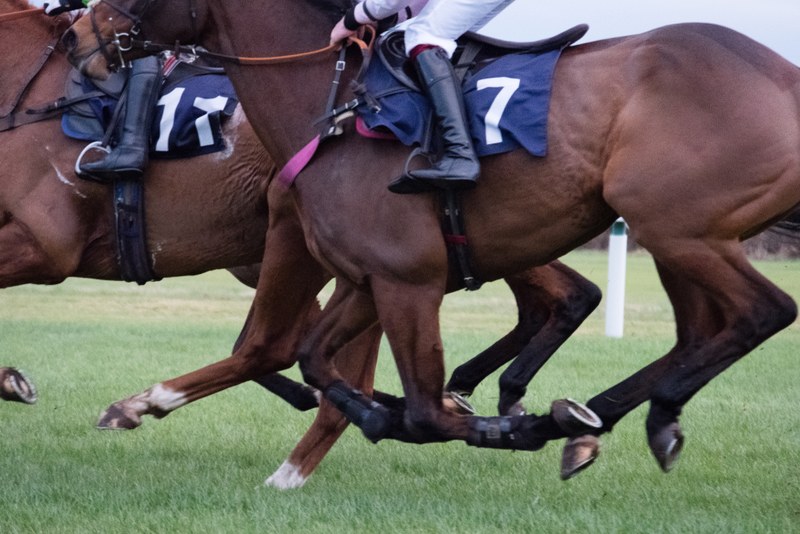
Moving away from the formbook, a horse’s running action can hint at their ability to handle soft ground. At first glance, horses may appear to cross the ground in much the same way. However, upon closer inspection, runners tend to fall broadly into one of two stride styles – either a rounded gallop with a high knee action, or a lower to the ground, daisy-cutting style.
On soft ground, a rounded action is preferred. These runners propel themselves through the air by making firmer contact with the ground and pushing up and away. This minimises the time spent in contact with the cloying surface, allowing the horse to use its energy more effectively.
In contrast, a daisy-cutting style allows runners to continually propel themselves forward off springy, firmer surfaces, with rapid, low-to-the-ground strides. That’s an advantage on good or quicker ground, but a definite disadvantage when attempting to churn through a boggy surface.
Pedigree Pointers

Just as with humans, horses tend to inherit the characteristics of their parents. If a horse is sired by a Group 1 sprinter, they are naturally more likely to excel over the sprint trips of 5f-6f. Likewise, a Classic-winning stallion is that much more likely to sire the winner of the Derby, Guineas, or St. Leger. It’s no coincidence that the great Derby-winning stallion Galileo sired five winners of the Epsom Classic.
This genetic influence extends to going preferences. Galileo’s stock tends to handle soft ground well. Another son of Sadler’s Wells, Montjeu, enjoyed his finest hour when storming through the Longchamp mud to claim the Prix de l’Arc de Triomphe. Unsurprisingly, his offspring also perform well in soft conditions. Other examples include the German sire, Adlerflug. His progeny has a 29% strike rate in British races run on soft ground, compared with just 10% on good to firm. In the National Hunt sphere, Flemensfirth, Oscar, Shantou, and Getaway are among the sires most associated with soft ground success.
A Potentially Profitable Punting Opportunity
Owners, trainers, jockeys, and punters all know that soft ground can have a significant bearing on the result of a horse race. And yet, whenever a major meeting is held on soft or heavy going, we invariably witness a series of surprising big-priced winners.
These results suggest that the betting public continues to underestimate the soft-ground effect. By focusing on previous performances on soft ground, a horse’s running action, and the pedigree page, soft ground contests can provide a solid opportunity to find an edge.