
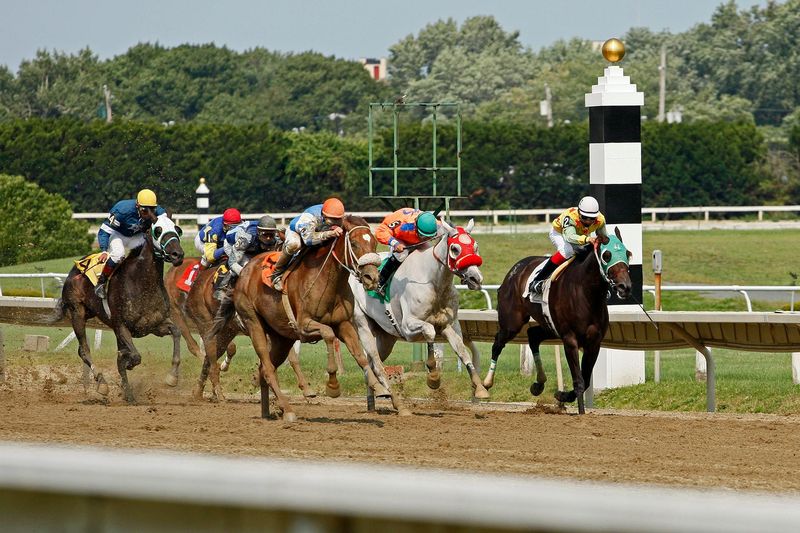
Machine learning has moved from buzzword to starting gate in racing analysis. What used to be gut feel and whispers in the ring is now code, spreadsheets, and models chewing through variables that most of us would never track. By industry estimates, over £11 billion was wagered on the United Kingdom racing markets in 2023, which tells you the stakes are not small.
Bookmakers, punters, and syndicates are adjusting, some quickly, some grudgingly. Models eat form, pace, draw, and weather, then spit out probabilities with a clinical calm that can feel almost unsettling, yet oddly fair. You get the sense the sport has entered its analytical era for good, even if plenty of old hands still keep one eye on the ticker and the other on the paddock.
How the Game Tilted Toward Data
Racing once ran on folklore and intuition, and to be honest, it still does in pockets. The last decade, though, has been a sharp turn. Machine learning arrived and stayed. Systems began sifting horse and jockey stats, historical results, fitness notes, and live prices, nudging out hunches with pattern recognition at scale. A 2024 study reported prediction accuracy as high as 97.6% on a dataset of 14,767 races, though, as ever, the context matters.
Seasoned handicappers often sit under 40% depending on the market and timeframe, which makes the gap feel harsh. On nearly every serious horse racing betting site, the footprints are visible: race cards now pulse with probability scores, statistical rankings, and even live model updates. This is not a side project anymore, more a rewiring of how selections are made.
Inside a Data-Led Playbook

The new pasture for analysts is a mountain of data. Race splits, lifetime performance curves, finishing speeds, going conditions, trainer patterns, jockey on-track records, they all flow into the pipe. Neural networks and random connections carry much of the load, while simpler models still have their place when the signal is clean. A horse with more than 100 prior runs, or a jockey clicking at 23% on rain-affected tracks, becomes a feature rather than an anecdote.
SMOTE, the Synthetic Minority Oversampling Technique, helps when winners are scarce and classes are imbalanced. Outliers get flagged rather than ignored. Market odds loop back into the system, and some setups listen closely to late price moves, updating live probabilities seconds before the off. A single model can handle more than 43 variables per race, which trims noise and, at times, reveals value that old-school form study would miss. The numbers do not tell the whole story, but they tell more of it, and faster.
Why Models Usually Edge Human Instinct
Pattern recognition is the edge. People remember highlights, a spectacular win or a jarring fall, while models store everything, including the quiet clues like sectional shape or effectiveness from a particular stall. Hype gets discounted. Consistency and context rise. That alone unlocks angles a casual glance might miss, such as a horse eased in grade that rates stronger than it looks at first sight.
Crucially, the systems learn from every race, every bet, every mistake, and they do it without ego. They react to fresh data in seconds, which even the sharpest punter cannot match. None of this is flawless, of course. A slipped saddle, a late setback in the yard, a ride that goes wrong, these things still ambush the best models. Yet the combination of memory, objectivity, and speed usually tips the balance toward the algorithm.
Who Gains, and What Might be Next

It is not only punters who benefit. Trainers and owners are leaning on predictive tools to pick targets, plan campaigns, and manage workloads. Bookmakers monitor and adapt margins, trying to stay a step ahead of sharp money. Racing clubs use analytics to build competitive fields and lift turnover. In Hong Kong and Australia, large syndicates reportedly run on model-driven strategies that handle billions in annual bets.
The next wave may fold in real-time veterinary data, trackside biometric feeds, or drone-captured stride metrics. Regulators and efficient markets will push back, and randomness still has teeth at the line. Even so, the direction feels set. Those who fit machine learning into daily decision-making are shaping the landscape, and it is hard to imagine the clock clicking back.
Betting on racing asks for discipline and perspective. Machine learning may lift prediction rates, but no model guarantees profit in a sport where variance bites. Treat wagering as entertainment, not income. Stake only what you can afford to lose. If it starts to feel like a problem, step away and seek support. Responsible play keeps the game healthy for everyone around it.