
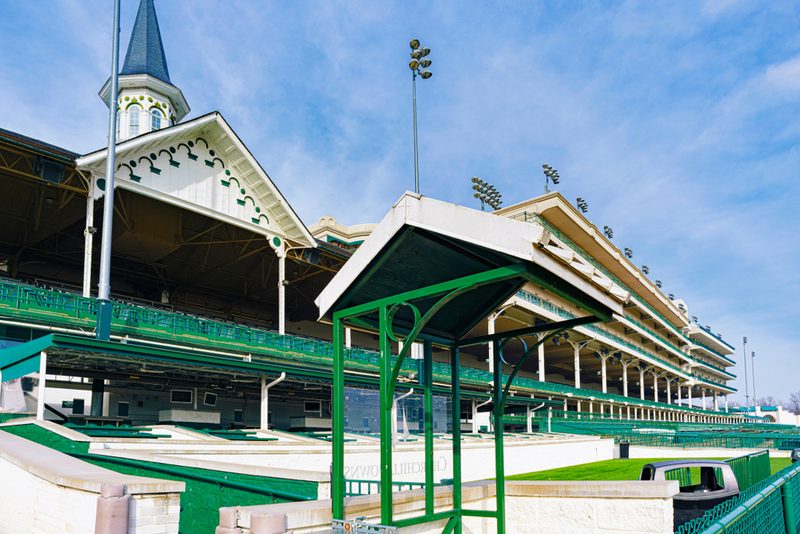
The Kentucky Derby draws attention for many reasons, including its rich traditions and the excitement of raceday. However, for bettors, odds tend to sit at the center of it all. They shape expectations before the race and influence decisions right up to the final minutes.
For anyone looking to place a wager on this premier event, understanding how those numbers work makes the experience more grounded.
At the same time, odds don’t spring into existence in isolation. They respond to trends, opinions, and small details that build over weeks. Reading them well means looking beyond the surface and evaluating how the Derby-related ecosystem evolves as race day approaches.
Understanding How Kentucky Derby Odds Work
Put simply, Kentucky Derby odds reflect how the market views each horse’s chances. A horse listed at 6-1 suggests a higher potential return than one at 3-1, though it also signals a lower perceived probability of winning. These numbers move as bets come in, often adjusting right up to post time.
Unlike fixed odds, Derby odds follow a pari-mutuel system. That means payouts depend on the total pool rather than a set price. As more money is placed on a horse, its odds shorten, which can change the potential return even after a bet is placed.
This system creates a dynamic environment. Bettors aren’t just reacting to form or statistics. They’re also responding to how others are betting, which adds another layer of interest to the process.
Over time, reading odds becomes less about memorising numbers and more about understanding what they represent in the moment. They act as a reflection of collective sentiment rather than a fixed prediction.
What Influences Odds Leading Up to the Derby
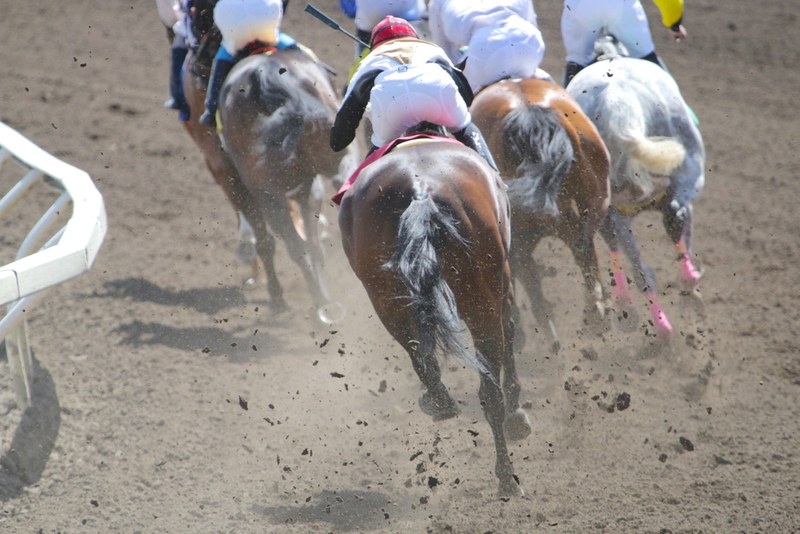
Odds rarely remain static in the weeks leading up to the Derby. Early prices reflect expectations, though they begin to shift as more information comes in and betting activity builds momentum.
The following factors come into play:
- Training performance in the final weeks often shapes confidence around a horse’s readiness
- Minor injuries or fitness concerns can quickly affect how a horse is priced
- Weather and track conditions begin to influence expectations as race day gets closer
- Media attention can draw heavy backing, even when form remains unchanged
- Late entries or withdrawals redistribute betting interest across the field
These factors interact and overlap, causing odds to move in complex patterns rather than one predictable direction as race day nears.
Key Betting Trends Seen in Recent Derbies
Recent Derbies have shown that favorites don’t always dominate, though they remain central to most betting strategies. Short-priced horses often perform well, yet longshots still find ways to disrupt expectations, especially given the Derby’s larger field.
Field size continues to play a role. With more horses in the race, the chance of unexpected outcomes increases. That unpredictability has led some bettors to explore betting combinations such as exactas (picking first and second place) or trifectas (the top three finishers), rather than relying on a single win bet.
Another pattern involves late market movement. Horses that shorten in the final hours before the race tend to attract attention for a reason, whether tied to insider confidence or visible improvement in form. These shifts don’t guarantee results, though they often signal stronger backing.
There’s also a growing focus on recent form over historical reputation. Bettors have leaned toward horses showing steady improvement rather than focusing entirely on earlier success. That trend has become more noticeable in the past few years.
How to Track Odds Movement Before Race Day

Tracking odds requires more than checking them once. Movement over time tells a clearer story, especially as the race approaches and betting volume increases. Early odds offer a baseline, though they often reflect initial expectations rather than fully informed opinions.
As more bets enter the pool, adjustments become sharper. A slight shift can indicate a stronger interest from experienced bettors, particularly when it happens close to post time. These movements don’t happen in isolation. They often follow visible changes in form, training reports, or late insights that begin to influence the market.
Many bettors regularly check the latest Kentucky Derby odds during these final stages, since even small changes can reflect broader sentiment within the market. A steady drop in odds may suggest growing confidence, while a drift can signal hesitation or a shift toward other contenders.
Consistency matters here. Checking odds at different points in time rather than relying on a single snapshot helps reveal patterns that might otherwise go unnoticed. Over time, those patterns become easier to recognise, especially when certain movement types recur across similar races.
How to Evaluate Odds and Trends
Odds provide a snapshot of the market, while trends offer a broader view of how races tend to unfold. Bringing those two together creates a more balanced approach, especially in a race as complex as the Derby.
Some bettors lean heavily on odds, trusting the market to guide their decisions. Others focus more on trends, looking for patterns that repeat over time. In practice, the most effective approach tends to sit somewhere between those two perspectives.
It often helps to identify where odds and trends align. When a horse shows strong recent form and draws steady market support, that combination can carry more weight than either factor on its own. At the same time, disagreements between the two can highlight potential value.
No approach removes uncertainty entirely. The Derby remains unpredictable, though combining these elements can make decisions feel more informed and less reactive as the race approaches.
Clarity When Reading the Market
By the time Derby Day arrives, the odds reflect weeks of movement, opinion, and shifting expectations. They don’t offer certainty, though they provide a lens through which the race can be understood more clearly.
Trends add another layer, helping to frame those numbers within a broader context. Together, they create a picture that feels more complete, even if it leaves room for surprises once the gates open.