
Horse racing is hugely popular in many countries around the world. The UK, France and Ireland lead the way in Europe and contests there are up there with the biggest anywhere in the world. The sport is hugely popular in Australia, America and a number of other countries too, including Japan and Hong Kong, to name just two.
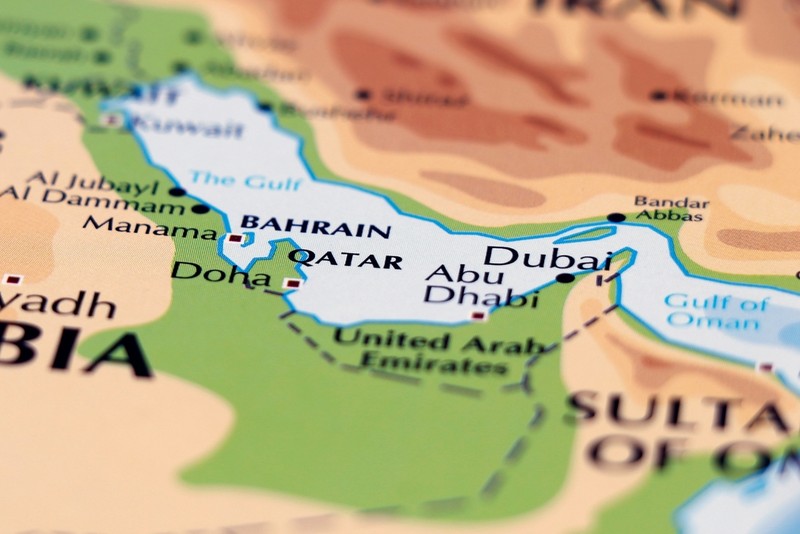
However, some of the sport’s biggest and certainly richest races, not to mention keenest fans and owners, are based in the Middle East. Saudi Arabia and the United Arab Emirates, in particular, are racing hotbeds, and one of the most famous tracks in the region is Meydan.
Meydan is located in Dubai, the biggest city in the United Arab Emirates (by population) and probably the most famous in the whole region too. A popular holiday spot with Premier League footballers, influencers, and families wanting guaranteed sunshine in a safe environment, it has a lot to offer. Racing is a limited part of the overall appeal, although Meydan hosts some of the very richest races in the world, including the Dubai World Cup and Dubai Turf. The Dubai World Cup meeting boasts a massive $30m+ in prize money over nine races, with the showpiece event worth a cool $12m just by itself.
However, many familiar with some of the stricter laws in the UAE and the wider region may be wondering whether or not you can actually bet on the horses at Meydan? Dubai has its fans, but in truth, it is not for us. It is a bit like Vegas, but with all the fun sucked out! While a visit to the races is no doubt a great alternative to endless days by the pool or in fiercely air-conditioned shopping centres, for many racing fans, having a punt on the action is a huge part of the fun.
No Betting at the Track
 The UAE operates under a legal system based on Sharia law. The term “Sharia law” tends to have a negative connotation in much of the West, but really it is just a system of law based on Islamic strictures, including the Muslim holy book, the Qur’an. There is some flexibility within Sharia law, but it does mean that gambling is technically not permitted anywhere in the UAE, including Dubai, due to Federal laws that cover the whole country.
Sharia law also bans alcohol, but Dubai and the wider UAE, and some other similar nations, do permit the sale of alcohol. Usually, this is done in a restricted way, often only to tourists and/or in limited places. Anyone who has been to Dubai will know that it is not hard, certainly in major hotels and resorts, to drink, so they may be wondering if the same is true of betting at Meydan.
However, sadly for those who love the feel of real cash in their hands and enjoy the theatre of the betting ring, and those who savour physically collecting their money from the bookies immediately after the race – or masochistically ripping up their losing slips – there are no bookmakers at Meydan. This can come as a surprise to Western tourists, particularly those from the UK and Ireland, and the whole atmosphere can feel slightly strange.
On the plus side, we can report that Meydan does offer some very reasonably priced drinking packages – at least by Dubai standards! While enjoying a drink in the sun – or in the air-conditioned comfort of a lounge – and watching some of the quickest horses in the world do battle is great fun in itself, it is, of course, even better when there is a little money riding on the outcome. So, what are the betting masses to do at Meydan?
“Bet” Like a Local
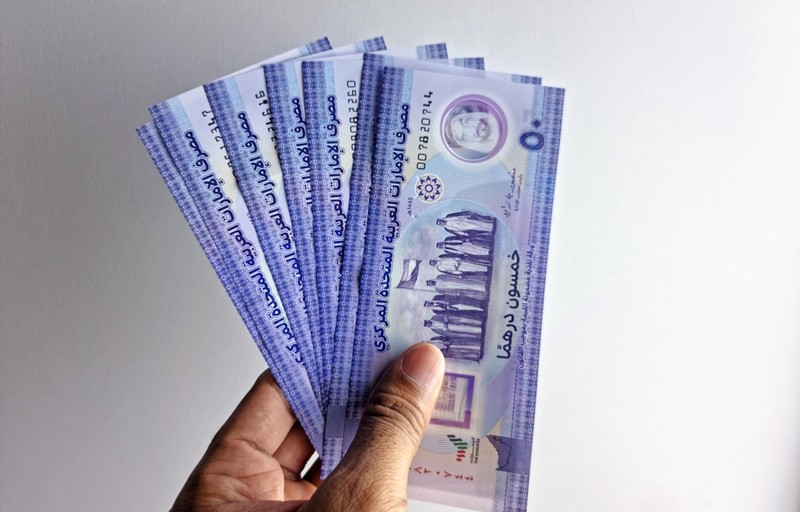
To keep things 100% legal and without any risk at all, you can opt to “bet” the Dubai way. At Meydan and certain other racecourses in the region, you will not find bookie pitches, booths or kiosks. You will, however, have the option to enter what is billed as a raffle or sweepstake.
This flexible approach to Sharia law means that upon entry, you gain access to a raffle-style prediction game. You have to predict the winners of each race, and anyone doing so can land a healthy prize. As you do not specifically pay (the “bet” is included in the ticket), it is not classed as gambling, and this can obviously add plenty of excitement to proceedings.
Smaller prizes are available if no one manages to call all the winners, but even so, this is obviously quite a limited system. There are variations on this, so you don’t necessarily have to just pick one horse per race and get very lucky, but even so, UK punters will not view this as wholly satisfactory.
Bet Before you Go

The other wholly legal option you have is to place your bets before you go to Dubai. This too is limited, because unless you fly in on the day of the race, you are unlikely to have too much in the way of live odds, with limited ante-post and early prices only.
Betting Remotely

Something you may consider is betting remotely with a bookmaker when in the UAE. Whilst this may be possible to an extent, we must again stress that gambling whilst in the region is prohibited.
Phone a Friend
Perhaps the best option is to engage the help of a friend who is situated in a country where betting is legal. Technically, allowing someone else access to your account is against bookmakers’ Ts and Cs and perhaps not recommended anyway. Of course, if your partner or close relative were to access your account with your permission, it is unlikely to be an issue, but we should reaffirm that this does breach Ts and Cs. Alternatively, they could place bets for you using their own account, though again, this may be a grey area.
Phone a Bookie
Phoning a bookie in the UK (or offshore) from the UAE to place a bet is a grey area at best. As with almost all these workarounds, you are unlikely to be caught, but you should at least be aware of the possibility.
Bet Online
Last but no means least – as we suspect this is what many tourists to the UAE do – you could try to place bets online. Using a VPN or other similar techie workaround may allow you to access your UK betting accounts from Meydan – or anywhere else.
Once again, we do not recommend this as it is both a breach of the terms of the bookie and also against UAE law. You may face payment restrictions and other issues, but even if you do manage to place your wagers, the UAE has tightened up its cybercrime laws and anti-VPN regulations to keep up with technological changes over the past decade or so.